Studio 88 Live: Premium Content Production, Podcast Studio Hire and Creative Production Services
Studio 88 Live is a premium content production company and creative production partner operating in the UK and Ghana. We help businesses, entrepreneurs, founders, brands, organisations and creatives transform ideas into professional podcasts, videos, branded content and digital experiences.
From professional podcast production and video production to photography, film production, scriptwriting and social media marketing, we bring creative thinking, technical expertise and strategic execution together to help our clients communicate with impact.
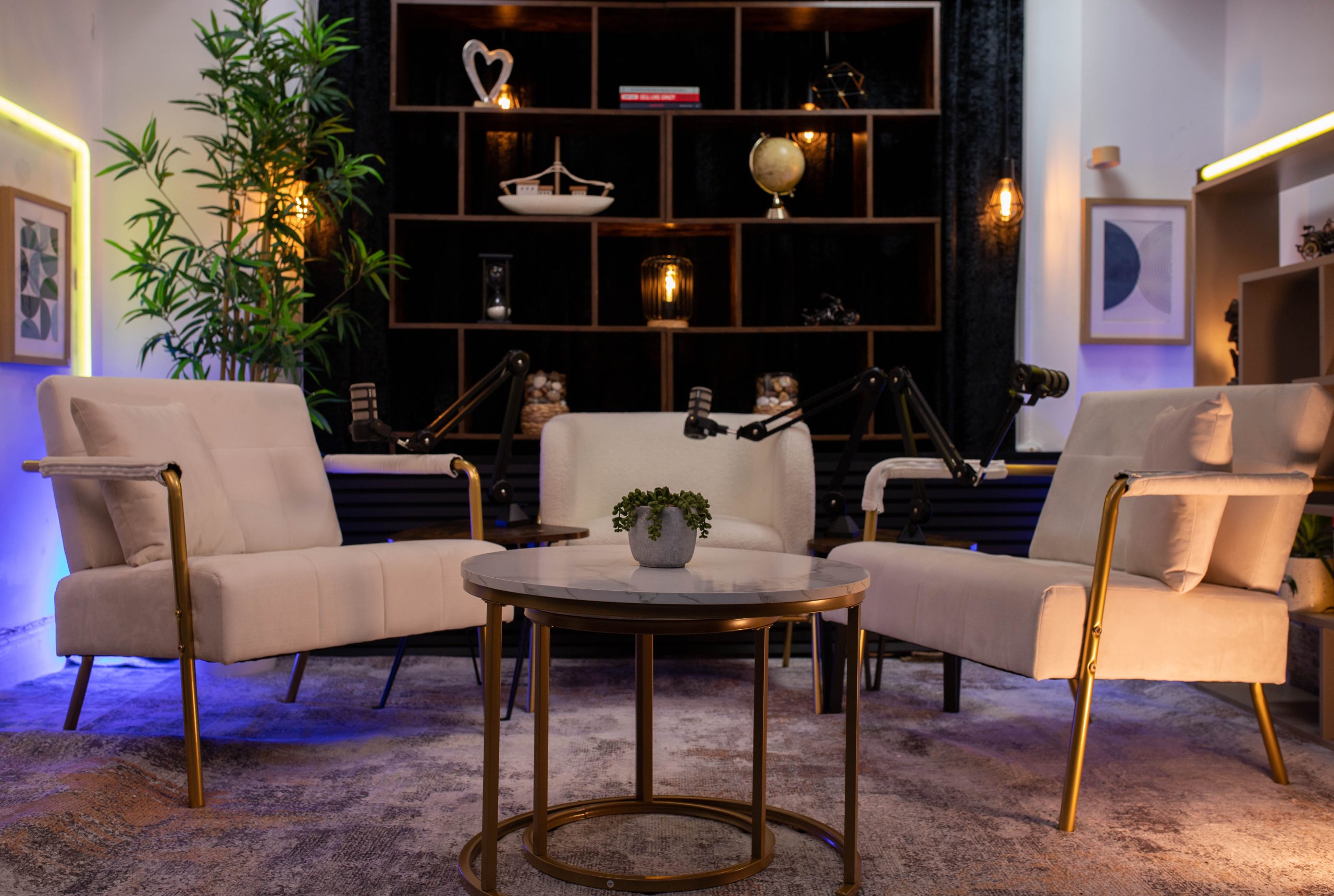
Our professional production spaces, multi camera recording setups, customised lighting and high quality audio provide the foundation for creating content that represents your brand and connects with your audience.
But Studio 88 Live is more than a studio. We are your creative production partner, supporting projects from initial concept and creative development through filming, editing, content repurposing and marketing.
Studio 88 Live. More than a studio. Your creative production partner.
What Makes Studio 88 Live Different?
Creative Direction With Purpose
Every successful production begins with an idea, but the way that idea is developed and communicated makes a difference.
Our creative direction and development services help clients establish a clear vision, refine their messaging and determine the most effective approach to production.
From branded video campaigns and founder interviews to podcasts and original film projects, we work to ensure that the creative execution supports the purpose of the project.
Professional Production Quality
Professional content production requires attention to detail at every stage.
Our production environments support professional audio recording, multi camera filming, lighting design and visual presentation for a range of formats, including podcasts, interviews, branded videos and digital content.
We focus on matching the production setup to the needs of each project, helping clients create content that is appropriate for their brand and intended use.
Content That Builds Trust and Authority
Businesses need effective ways to communicate their expertise, explain their services and develop relationships with their audiences.
Professional video content, podcasts, branded storytelling and business photography can help organisations communicate more clearly and consistently.
At Studio 88 Live, we help clients create content that reflects their identity, supports their communication goals and gives their audiences more opportunities to understand what they offer.
Consistency Through Better Production Systems
Creating one strong piece of content is valuable. Developing a repeatable process for producing and publishing content can provide even more opportunities to communicate with an audience.
Our content production and post production services help clients plan projects, produce their material and repurpose recordings into additional assets where appropriate.
This approach can support businesses that want to maintain a more consistent presence across their website, social media channels and other digital platforms.
A Partner Beyond Studio Hire
We understand that clients do not always know which production services they need when they first approach us.
Some need a podcast recording studio. Others need a complete video production, branded content campaign, photography session or ongoing social media support.
We begin by understanding the project and its objectives, then help identify the appropriate services and production approach.
Our Creative Production Services
Studio 88 Live offers a range of professional production services that can be commissioned individually or combined to support larger creative projects.
1. Podcast Production and Podcast Studio Hire
Looking for a professional podcast studio in London or a production partner for your next show?
Studio 88 Live provides podcast recording and production services for entrepreneurs, founders, businesses, brands, independent podcasters and content creators.
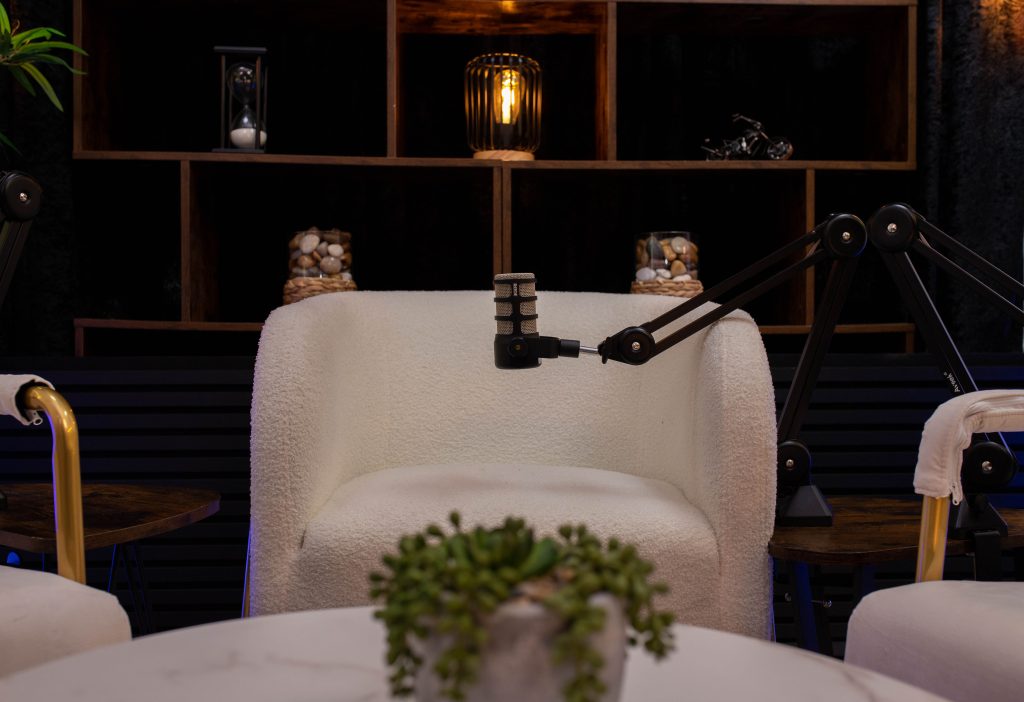
Our studio environments support audio podcast recording, video podcast production, interviews, panel conversations and original digital shows.
Depending on the project and selected setup, our podcast production services can include:
• Professional podcast recording
• Multi camera video podcast production
• Studio hire for podcast recording
• Professional audio recording and sound management
• Podcast filming and video production
• Podcast editing and post production
• Podcast trailers and promotional clips
• Podcast content repurposing for social media
Whether you are launching a new podcast, recording a business interview or producing an established show, we can help you identify a production setup suited to your requirements.
Our aim is to provide a professional recording environment where you can focus on your conversation while the production is handled with care and attention.
2. Video Production and Branded Content
Professional video production helps businesses communicate their message, showcase their services and tell stories in a compelling visual format.
Studio 88 Live works with brands, businesses, founders, marketing teams and creatives to produce video content for websites, campaigns, social media and digital platforms.
Our video production and branded content services include:
• Corporate video production
• Promotional video production
• Brand storytelling and campaign films
• Founder interviews and personal branding videos
• Product videos and commercial content
• YouTube video production
• Social media video production
• Multi camera filming
• Interview and documentary style productions
3. Professional Photography Services
Professional photography helps businesses and individuals communicate their identity through high quality visual imagery.
Studio 88 Live provides photography services for entrepreneurs, professionals, brands, businesses, creatives and events.
Our photography services include:
• Professional portrait photography
• Personal branding photography
• Executive and corporate headshots
• Business and commercial photography
• Product photography
• Lifestyle and brand photography
• Event photography
• Location and campaign photography
4. Social Media Management and Content Marketing
Creating content is only one part of developing a strong digital presence. Businesses also need a considered approach to planning, publishing and communicating consistently.
Our social media management and content marketing services help businesses develop structured approaches to their online communication.
Depending on the agreed scope, our services can include:
• Social media strategy and content planning
• Content calendar development
• Social media content creation
• Caption writing and scriptwriting
• Short form video editing
• Instagram Reels and TikTok content production
• YouTube Shorts and promotional clips
• Content repurposing and publishing support
• Social media marketing and paid campaign support
5. Scriptwriting, Copywriting and Creative Development
Strong production begins before the camera starts recording.
Scriptwriting and creative development help establish what a piece of content should communicate, how the story should unfold and how the audience should experience it.
Studio 88 Live provides creative support for businesses, brands, founders, content creators and production teams developing new projects.
Our creative services include:
• Video scriptwriting
• Podcast scriptwriting and episode planning
• Promotional video scripts
• Social media Reel scripts
• YouTube scriptwriting
• Brand storytelling and copywriting
• Campaign concepts and creative development
• Storyboarding and production planning
6. Professional Production Equipment Rentals
Access to the right production equipment can make a difference to the execution of a creative project.
Studio 88 Live provides production equipment rental services for filmmakers, content creators, production companies, agencies, brands and independent creative teams.
Depending on availability, equipment may include cameras, cinema lenses, lighting, audio equipment and relevant production accessories.
Our equipment rental services can support:
• Film and documentary production
• Interviews and corporate filming
• Music video production
• Branded content campaigns
• Social media video production
• Photography and creative projects
7. Film Production and Original Content
Film production provides opportunities to tell stories, explore ideas and create visual experiences for different audiences.
Studio 88 Live works across short films, documentaries, digital series and original visual content, with production approaches tailored to each project’s creative vision and practical requirements.
Integrated Content Production Solutions
One of the advantages of working with Studio 88 Live is the opportunity to combine different creative services within a coordinated production approach.
For example, a business launching a new product may need commercial photography, a promotional video, short form social media content and marketing support.
A founder building a personal brand may need professional portraits, interview videos, podcast production and a structured content strategy.
A company launching a podcast may require studio hire, multi camera recording, editing, promotional clips and support preparing content for distribution.
Who We Work With
Studio 88 Live works with a diverse range of clients who need professional production facilities, creative expertise or content solutions.
Businesses and Organisations
We support businesses looking for corporate videos, professional photography, branded content, interviews and marketing assets that communicate their services and values.
Entrepreneurs and Founders
We help founders develop professional content for personal branding, business storytelling, thought leadership and digital communication.
Podcasters and Content Creators
We provide podcast recording environments and production support for creators developing podcasts, YouTube shows, interviews and original digital content.
Brands and Marketing Teams
We work with brands and marketing professionals developing promotional videos, product content, creative campaigns and social media assets.
Filmmakers and Production Teams
We provide production facilities and equipment rental options to support suitable film, video and creative projects.
Event Organisers and Corporate Clients
Our photography and production services can support events, launches, business gatherings and other occasions where professional visual coverage is required.
Although each client has different requirements, our focus remains consistent: understanding the objective and providing a production approach suited to the project.
Work With Studio 88 Live
Whether you are looking for a podcast studio in London, professional video production, branded content, business photography, scriptwriting, equipment rentals or social media content support, Studio 88 Live is ready to discuss your project.
We bring creative thinking, professional production facilities and technical expertise together to help you turn ideas into purposeful content.
If you are planning a podcast, launching a campaign, developing your personal brand or looking for a reliable creative production partner, start a conversation with our team.
Studio 88 Live.
More than a studio. Your creative production partner.
Where creativity meets precision.
Explore our services or discuss your next project.
Website: https://studio88liveuk.com/
WhatsApp bookings: +447471193975
Email: info@studio88liveuk.com
Instagram: https://www.instagram.com/studio88live_uk